
Product, cart, cart line, order
Each with its API, search and access rules.
Products, carts, a server-side checkout and payment confirmation. Built in a fresh org, run from a storefront, with nothing to host.
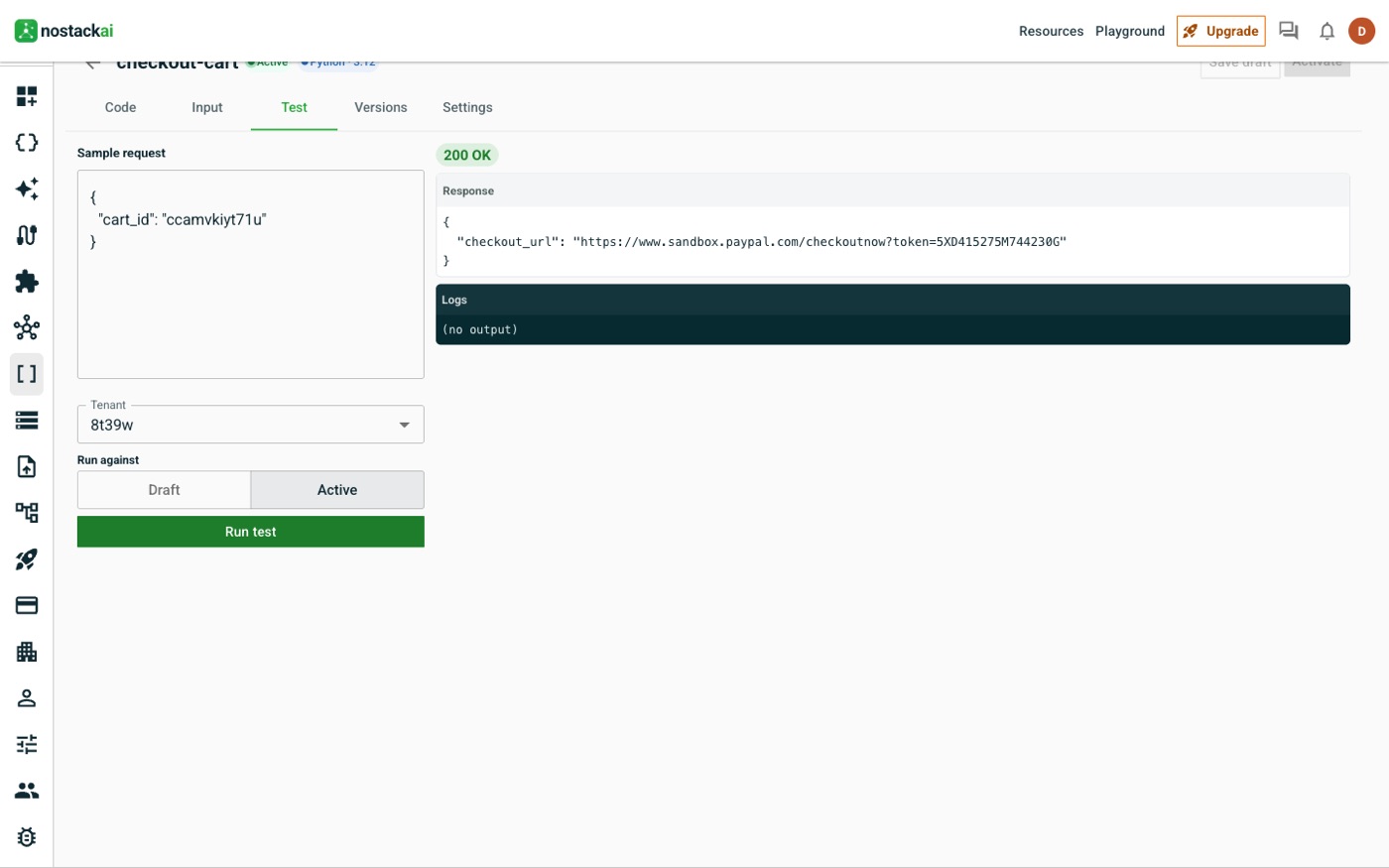
Each with its API, search and access rules.
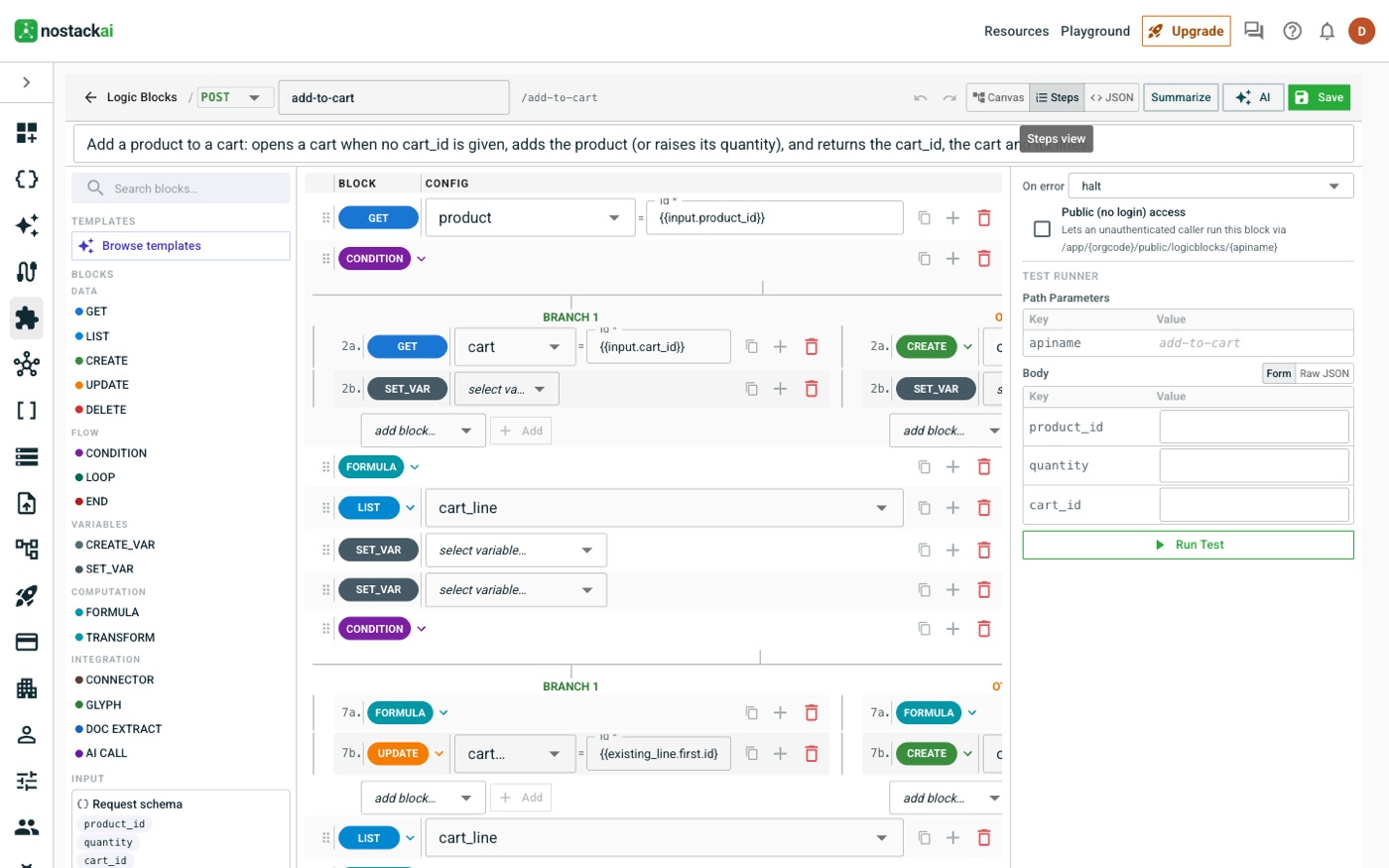
Finds or creates the cart and adds the line.
Builds PayPal line items and totals on the server, so prices never come from the browser.
Adopted once; each workspace enters its own credentials.
PayPal's webhook lands as a record matched to the cart.
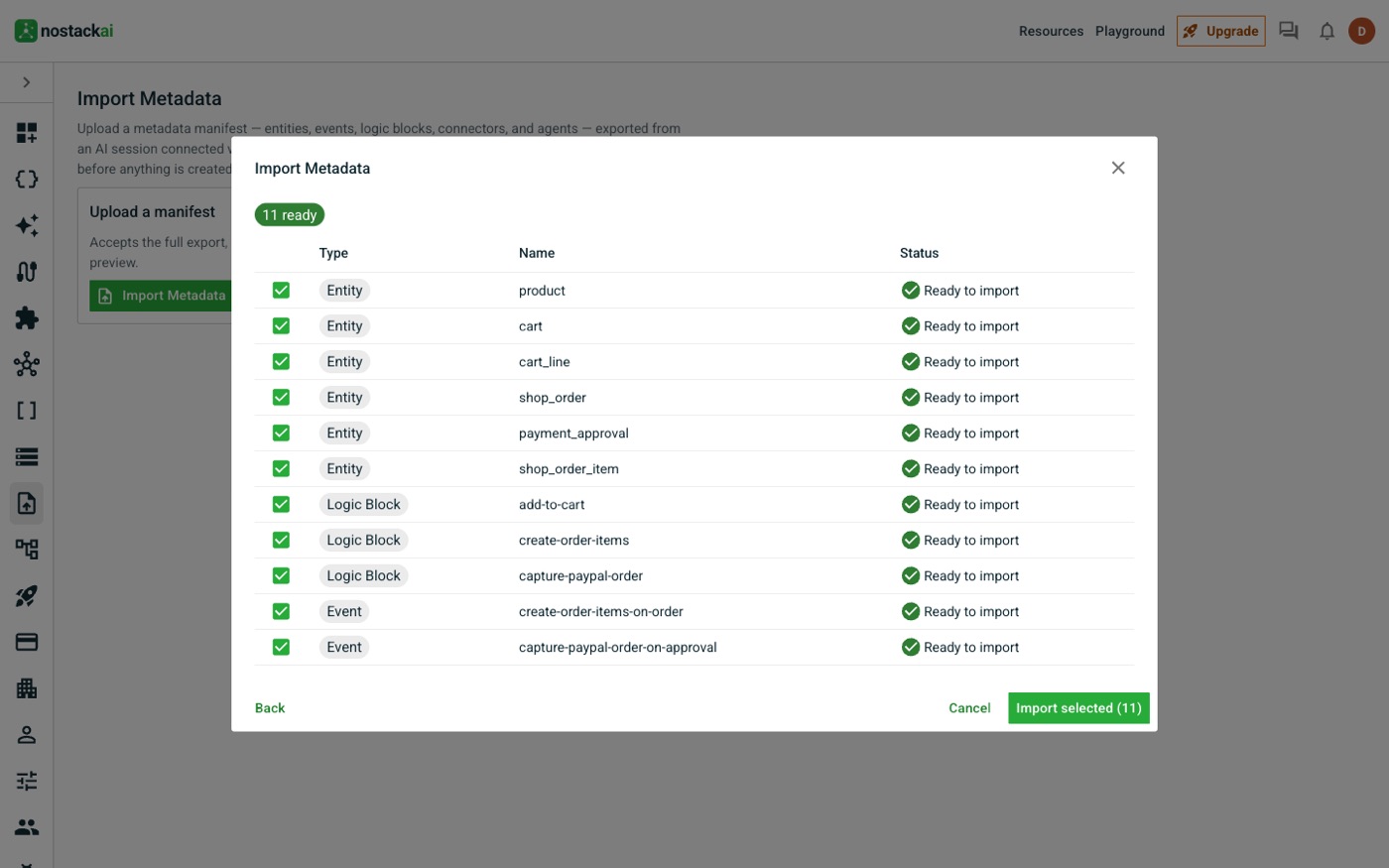
Events create order items when an order is placed and capture the payment once it is approved.
One metadata bundle creates the entities, Logic Blocks and events. A preview shows what will be created first.
Add to cart is a Logic Block with conditions and formulas. Checkout is a Glyph, because it builds a list of line items.
The storefront lists products through the generated API, fills the cart and sends the customer to PayPal to approve.
Read the full case study in the docs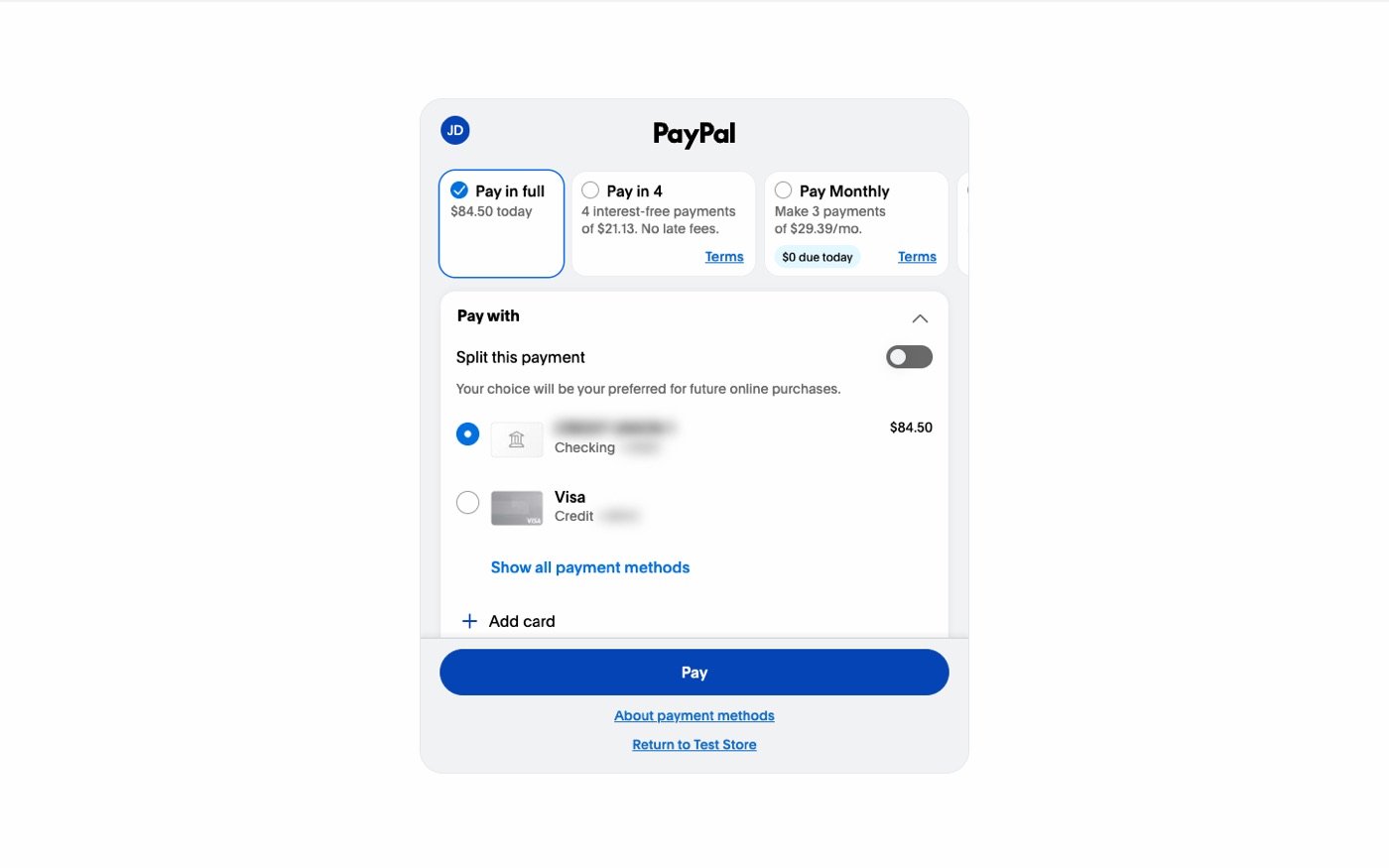
Connect your AI client, build your backend, ship to production.